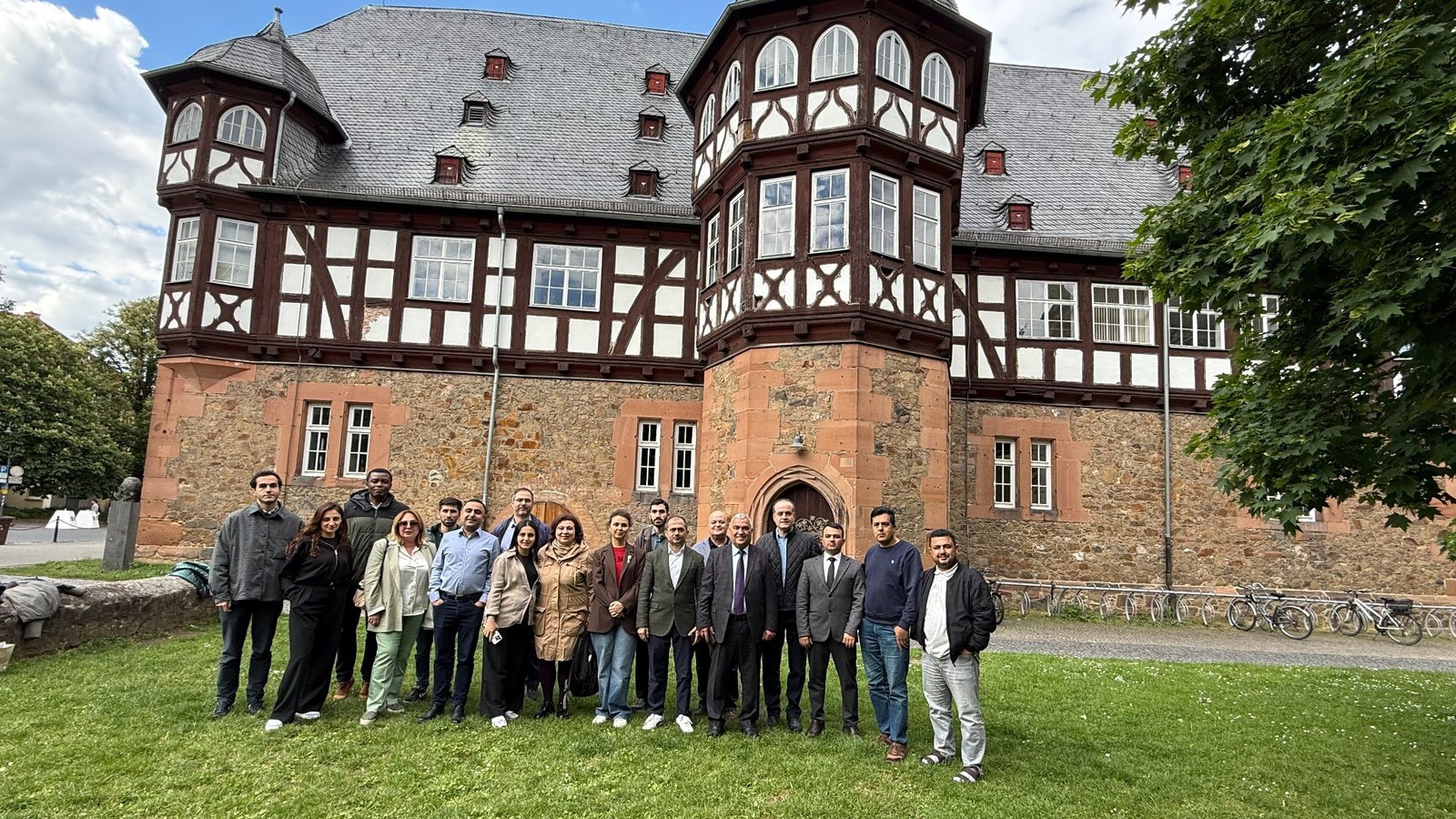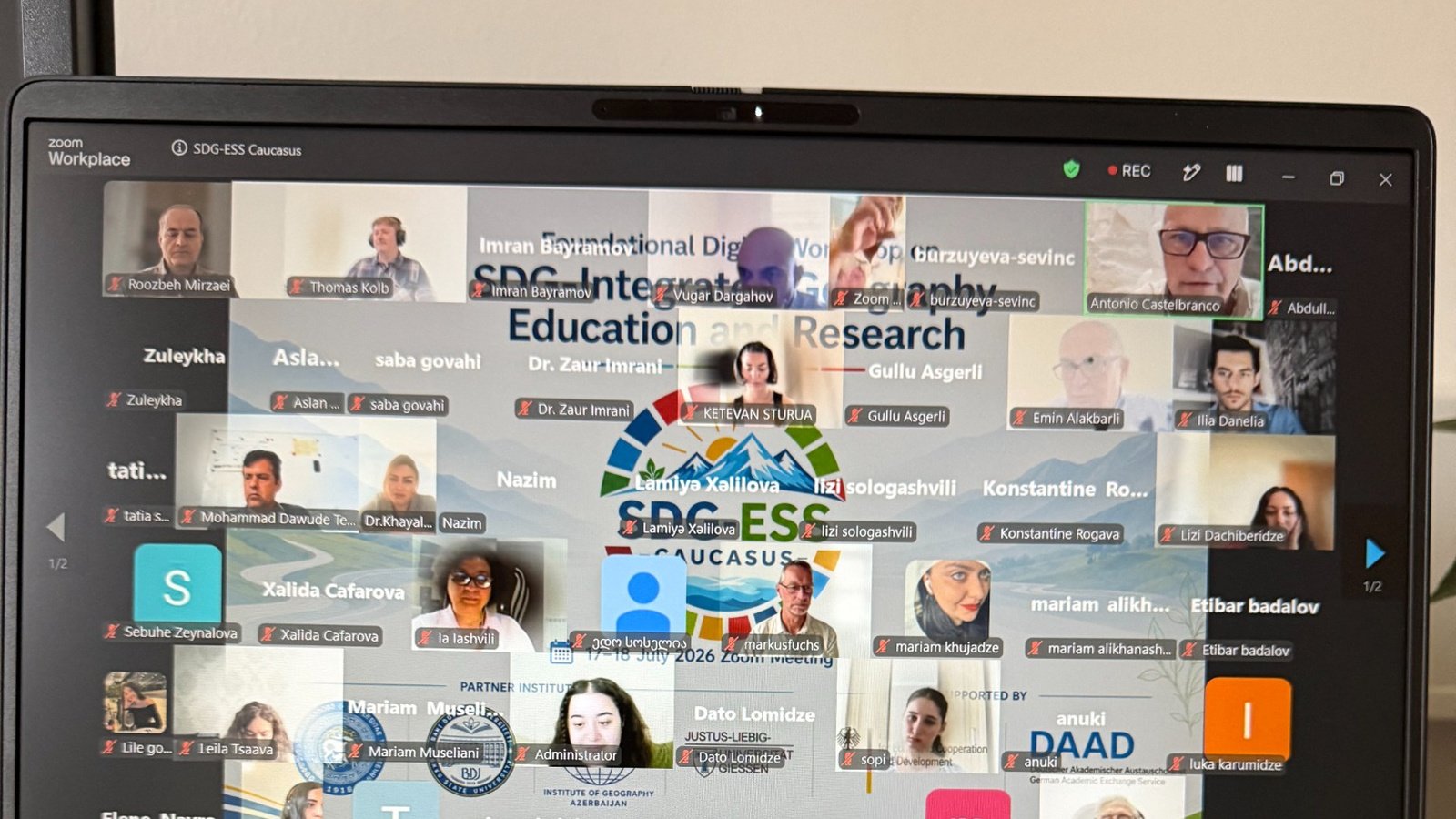

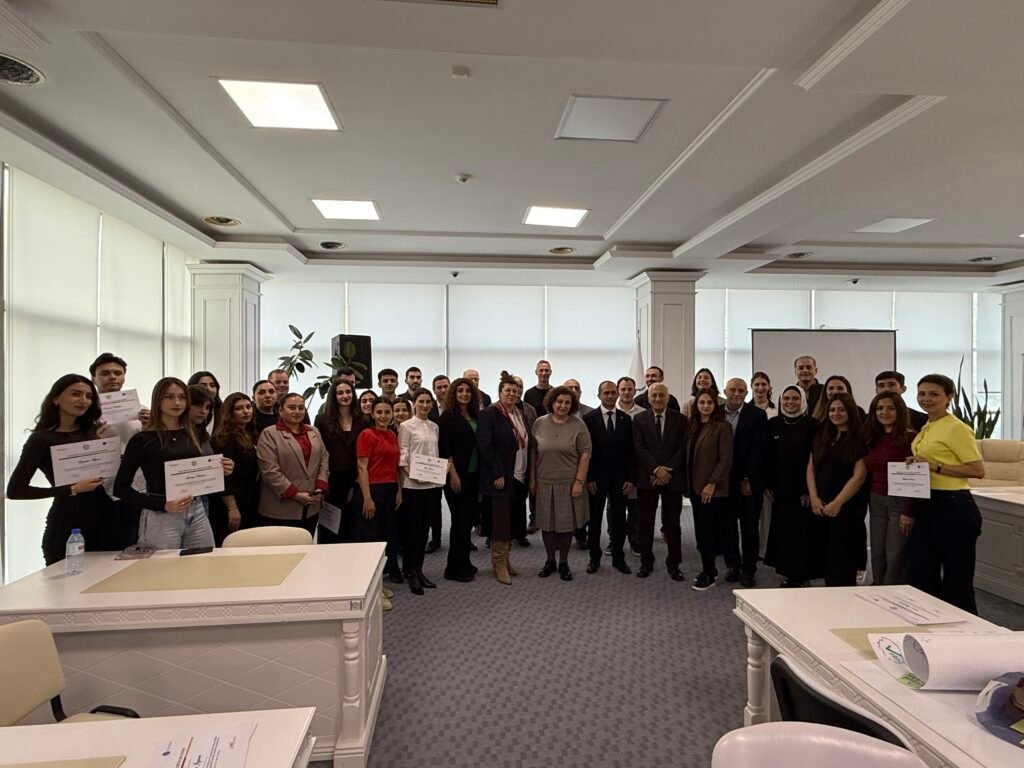
70 participants from six countries joined a three-day workshop to explore innovative approaches to sustainability research, regenerative tourism, and SDG-integrated geography education.
From 1 to 3 November 2026, an international training workshop titled “Advanced Training Workshop on Transdisciplinary Sustainability Research Methods for SDG-Integrated Geography Education and Research” took place at the Academy of Sciences in Baku, Azerbaijan.
Organized within the framework of the DAAD-supported project “Advancing Regenerative Tourism Education: A Transnational University Partnership for Climate Adaptation in Central Asia and the South Caucasus,” the workshop brought together 70 participants from Azerbaijan (40), Georgia (13), and Germany (7), alongside guest participants from Kazakhstan (4), Türkiye (3), and Uzbekistan (3).
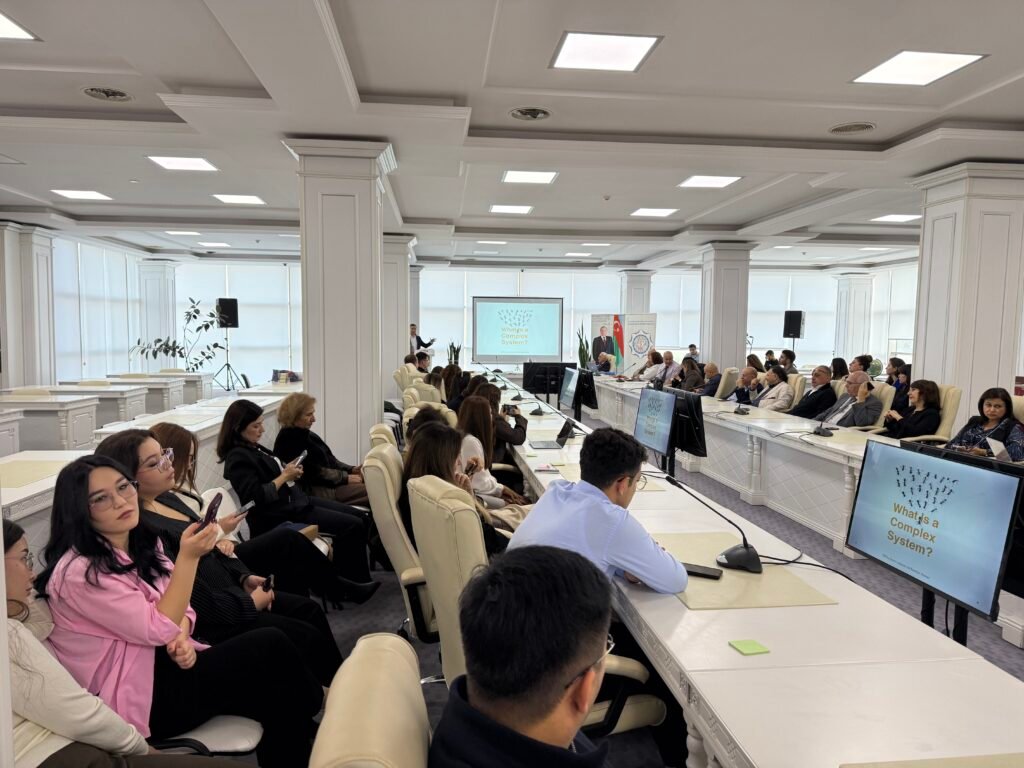
Under the applied theme “Transforming Destinations — A Transdisciplinary Action Workshop,” participants explored how scientific knowledge, practical experience, and stakeholder perspectives can be integrated to address complex sustainability challenges in tourism destinations and regional development.
The three-day program combined theoretical foundations with hands-on methodological training, interactive group work, participatory exercises, and collaborative knowledge creation. Working in mixed groups, participants jointly framed sustainability challenges, mapped relevant stakeholders, formulated SDG-oriented research questions, and developed solution-oriented prototypes through participatory and gamified approaches.
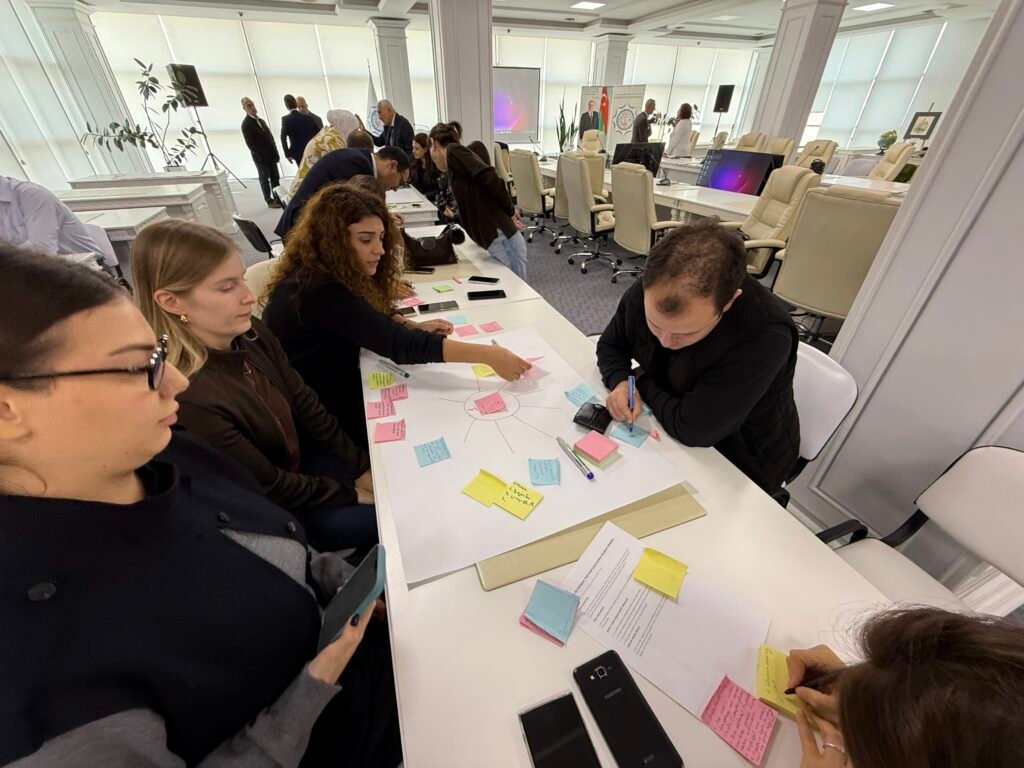
Building on these activities, the working groups successfully developed draft interventions, evaluation frameworks, and action plans. The final presentations and peer discussions provided opportunities to critically reflect on the proposed solutions, their practical feasibility, and their potential applications in geography education, research, and destination development.
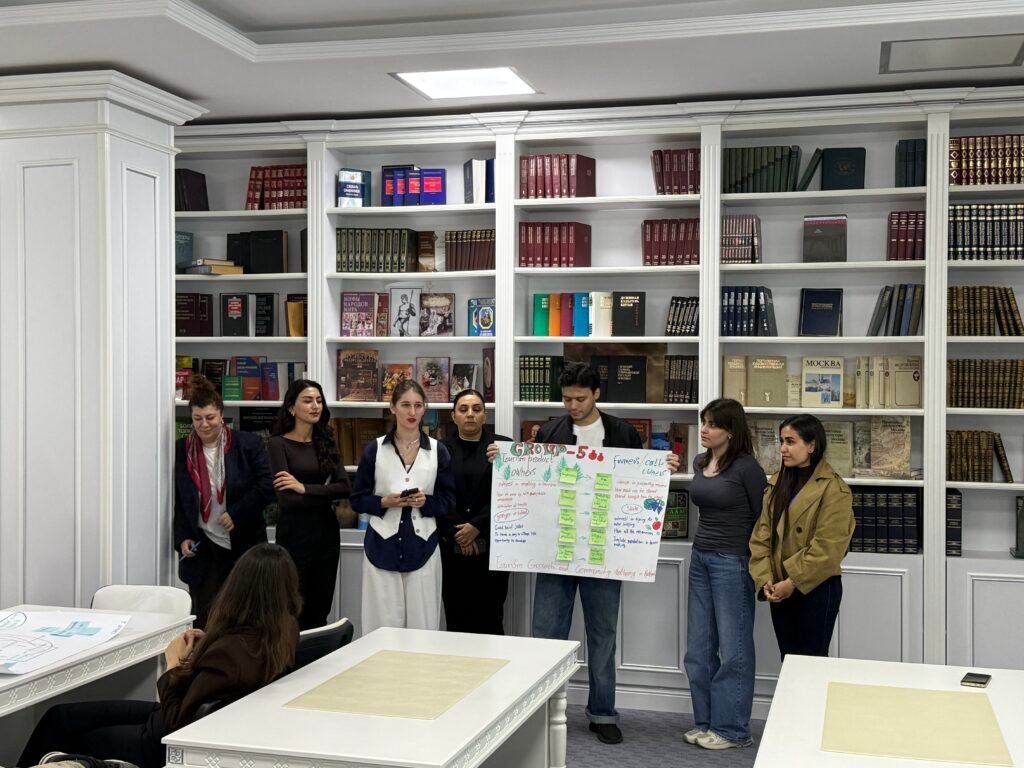
Particular emphasis was placed on mutual learning, knowledge co-creation, and collaboration across disciplinary, institutional, and national boundaries.
Beyond its methodological achievements, the workshop strengthened international academic networks, fostered intercultural dialogue, and created a foundation for continued collaboration in sustainability education and research across Germany, the South Caucasus, and Central Asia.
The successful completion of the Baku workshop represents an important milestone in the project’s commitment to advancing regenerative tourism education, climate-resilient regional development, and SDG-oriented academic cooperation.