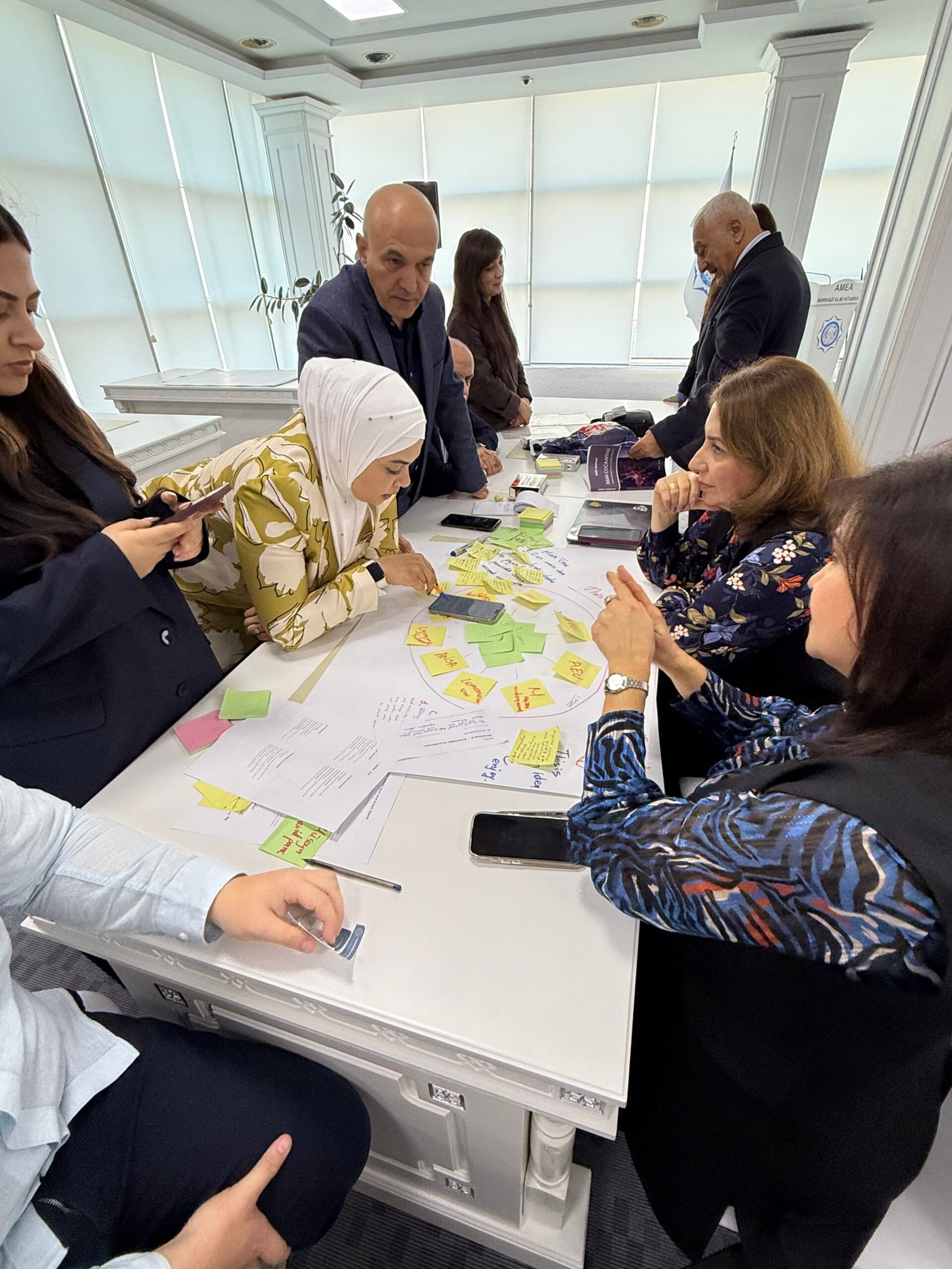


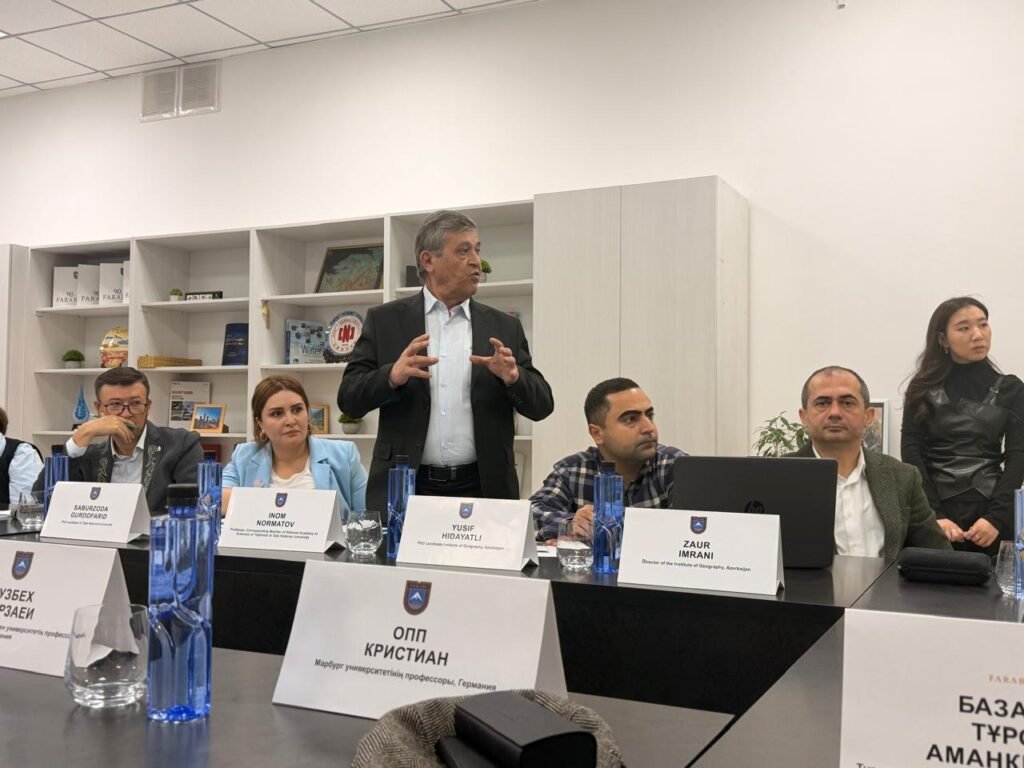
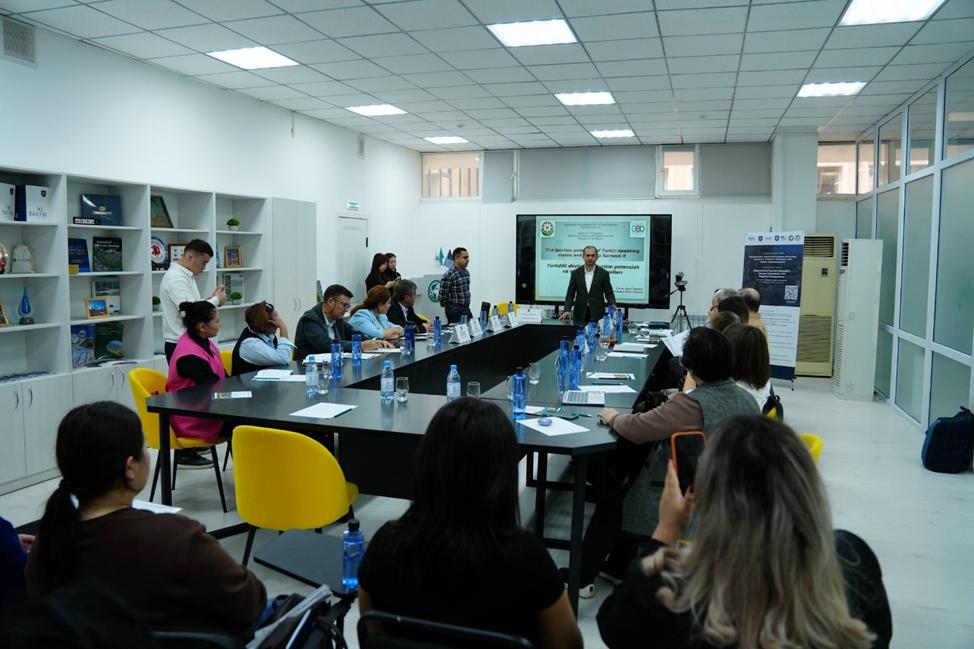
An international academic workshop held at Al-Farabi Kazakh National University in Almaty, Kazakhstan, in November 2026 brought together researchers and university representatives from Germany, Kazakhstan, Azerbaijan, and Tajikistan to strengthen cooperation in sustainability-oriented education and research.
The workshop was organized within the DAAD-supported project Advancing Regenerative Tourism Education: A Transnational University Partnership for Climate Adaptation in Central Asia and the South Caucasus, coordinated by Justus Liebig University Giessen in cooperation with partner institutions in Azerbaijan, Tajikistan, and Kazakhstan.
Hosted in collaboration with the UNESCO Chair for Sustainable Development at Al-Farabi Kazakh National University, the academic programme addressed climate adaptation, environmental sustainability, biodiversity conservation, and the challenges facing vulnerable landscapes in Central Asia and the South Caucasus. Scientific presentations and discussions encouraged the exchange of regional perspectives and interdisciplinary approaches to education and research.
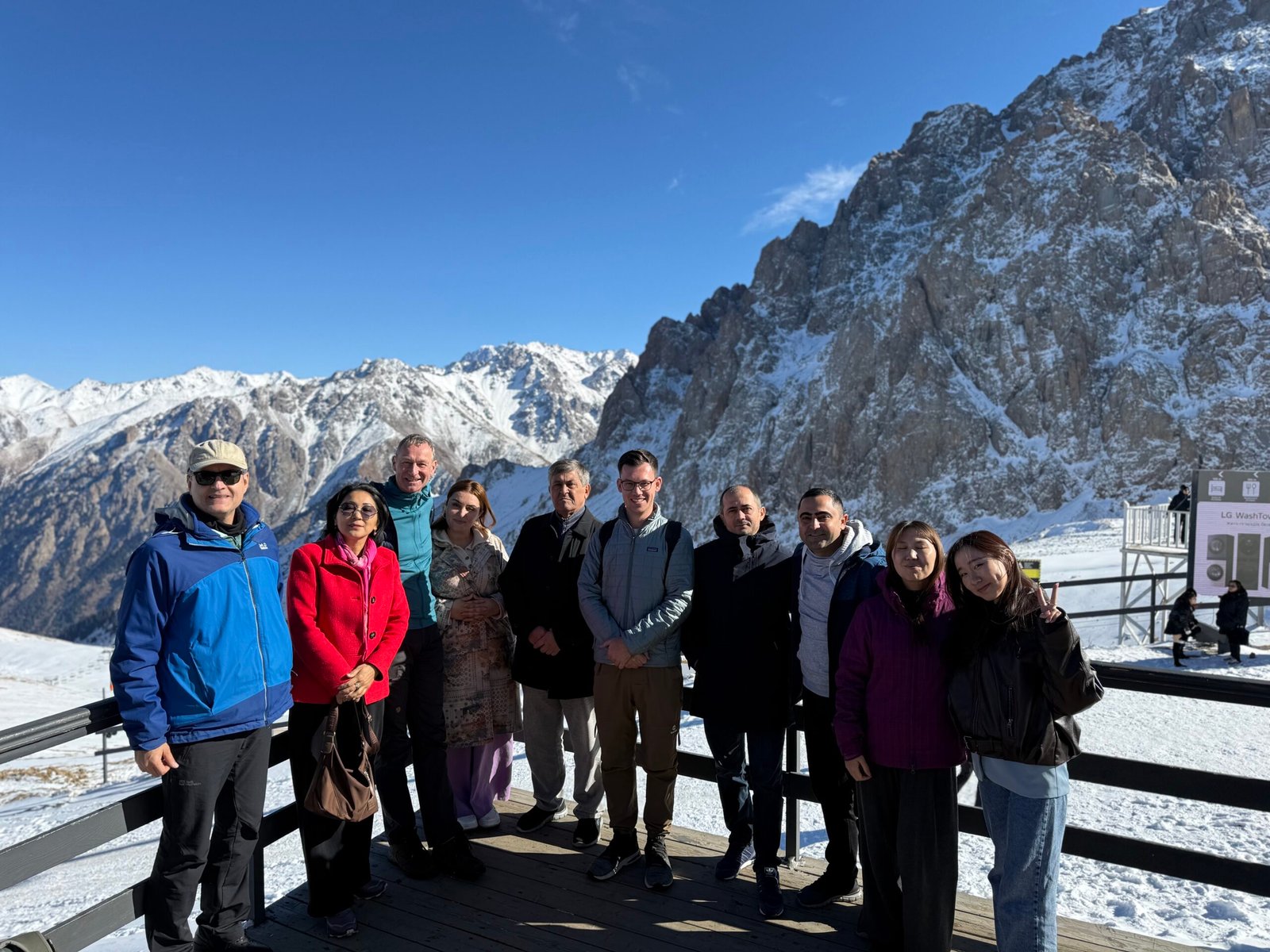
A field visit to Shymbulak complemented the academic sessions, providing opportunities to examine the relationships between mountain environments, tourism development, ecosystem conservation, and climate-related challenges.
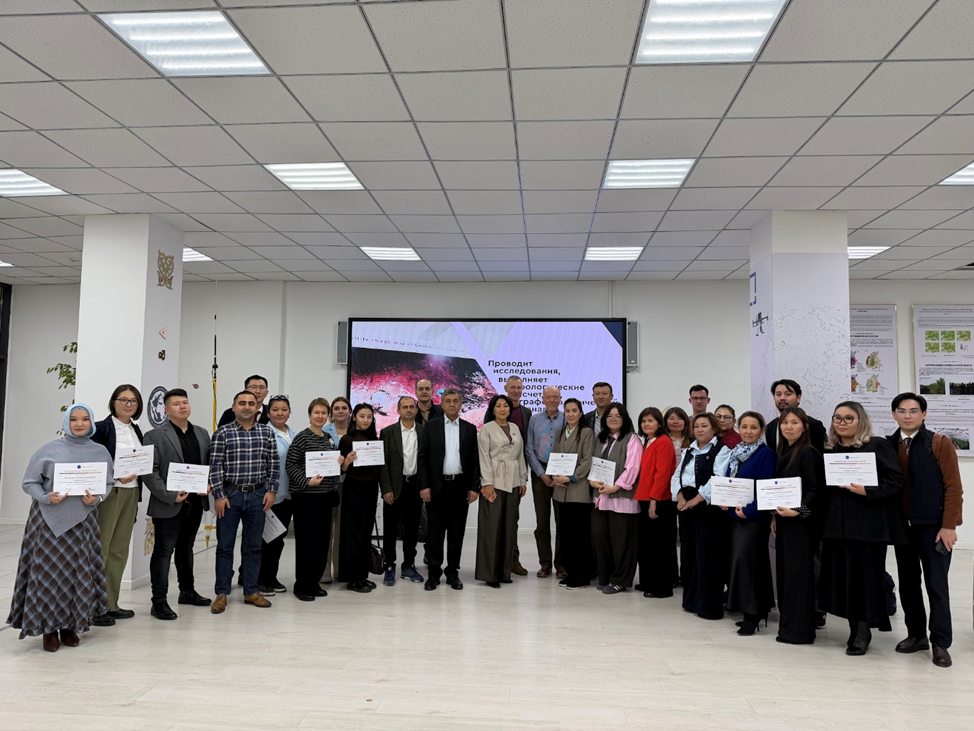
The workshop contributed to strengthening international academic networks, promoting reciprocal knowledge exchange, and identifying opportunities for future cooperation in sustainability education.
Although implemented under a separate DAAD-funded initiative, this international cooperation complements the objectives of SDG-ESS Caucasus, particularly its emphasis on sustainability-oriented geography education, interdisciplinary perspectives, and regional academic partnerships.
Further reading: Official report by Al-Farabi Kazakh National University